
Taojun Group Explains What a Heat Pump Filter Drier Is and How It Works
NINGBO, ZHEJIANG, CHINA, October 15, 2026 /EINPresswire.com/ -- As heat pump adoption accelerates, small refrigeration components deserve closer attention. The International Energy Agency reported that global heat pump sales increased by nearly 15% in 2021, while European sales almost doubled. The U.S. Department of Energy also states that air-source heat pumps can deliver up to three times more heating energy than the electricity they consume. These figures sound impressive. However, reliable performance depends on clean, dry refrigerant circuits and correct installation practices.
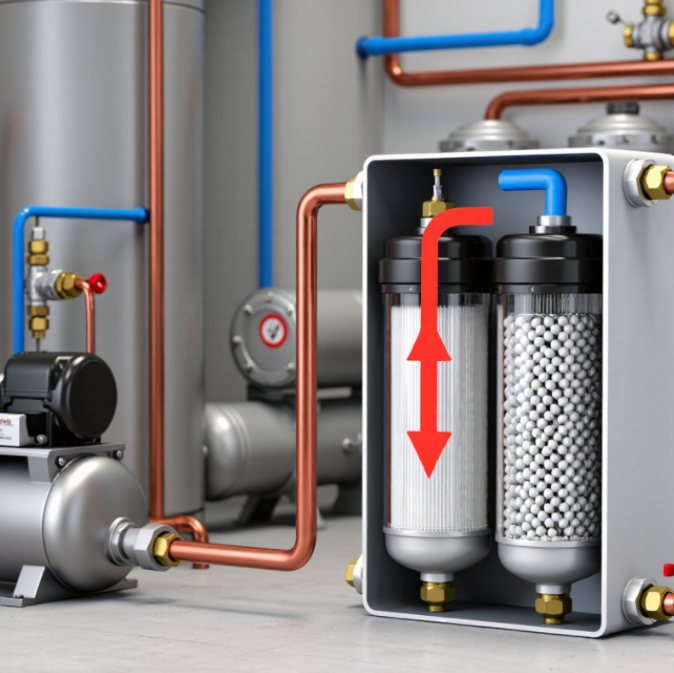
A Heat Pump Filter Drier is a sealed device installed in the refrigerant line. Inside, a fine filter captures metal particles, dirt, and installation debris. Desiccant material absorbs moisture that could freeze, react with refrigerant oil, or create acids inside the compressor. In a heat pump, refrigerant flow reverses between heating and cooling modes, so the component must suit bidirectional operation or the manufacturer’s specified circuit arrangement. Emerson Climate Technologies and Danfoss technical literature emphasize moisture control, contaminant removal, and proper component selection during system commissioning.
Its role is quiet but critical. Very quiet.
A technician may notice its value only after a restriction, pressure imbalance, or compressor failure appears. That is where practical judgment matters. A filter drier cannot repair poor brazing, incorrect charging, or a leaking system. The DOE’s Energy Saver guidance supports professional installation, while manufacturer data sheets should guide sizing, refrigerant compatibility, and replacement intervals. Reported efficiency gains vary with climate, equipment condition, and controls. This article explains how the Heat Pump Filter Drier works, where it belongs, and why routine service records still matter.
Definition and Role: A Heat Pump Filter Drier in the Refrigerant Circuit
A heat pump filter drier is a compact component installed in the refrigerant circuit. It performs two essential tasks: filtering debris and removing moisture from the refrigerant.
Its outer shell may look simple. Inside, a desiccant core captures water, acids, and tiny particles that could damage sensitive components. Moisture can freeze at the expansion device, restrict refrigerant flow, or react with oil and create corrosive compounds. Solid contaminants may also affect valves, compressors, and narrow passages.
The filter drier works as refrigerant moves through it.
In field servicing, technicians usually install it in the liquid line, where the refrigerant is warm enough for effective moisture control. Some systems use a suction-line drier after compressor failure or major repair. The correct location depends on the circuit design and the service condition.
A filter drier is not a permanent repair for contamination. It cannot correct poor evacuation, leaks, or incorrect charging. I have seen systems receive a new drier while trapped moisture remained in the pipes. That mistake can shorten compressor life.
Technicians should check flow direction, connection cleanliness, and pressure drop during service. A noticeably high pressure drop may indicate restriction or saturation. The component also deserves replacement after the refrigerant circuit has been opened, although site conditions and manufacturer instructions still matter. Small details often decide whether the protection works.
Core Components: Desiccant, Filter Media, Shell, and Flow Paths
What Is a Heat Pump Filter Drier and How Does It Work?
A heat pump filter drier protects the sealed refrigeration circuit from moisture, acids, and solid debris. Its desiccant absorbs water that could freeze near the expansion device or damage compressor oil. It also helps reduce chemical reactions inside the system. However, the drier cannot correct poor evacuation or a leaking circuit. That assumption causes trouble.
The shell forms a strong pressure boundary around the internal materials. Inside, filter media traps copper dust, oxide flakes, and installation debris. The desiccant usually consists of moisture-adsorbing granules. These granules need clean refrigerant contact, not loose placement inside the tubing. Flow paths guide refrigerant through the filter media and desiccant with controlled pressure loss. In a reversing heat pump, a bi-directional design may be necessary. Refrigerant changes direction during heating and cooling. The internal structure must still protect both flow routes. A small restriction can lower system performance noticeably.
Tips: Keep the drier sealed until installation. Replace it after major circuit repairs or prolonged exposure to air. Check arrow markings and system direction carefully. Measure pressure and temperature before judging performance. A pressure drop across the drier may indicate contamination or saturation. It is tempting to replace parts immediately, but diagnosis should come first. There is no perfect shortcut. Even experienced technicians should verify evacuation quality, refrigerant charge, and airflow together.
Operating Sequence: Removing Moisture, Acids, and Refrigerant Debris
A heat pump filter drier protects the refrigerant circuit during every operating cycle. In heating mode, refrigerant enters the drier through a calibrated passage. A fine screen captures copper flakes, brazing residue, and other solid debris. Small particles matter. They can damage valves or restrict narrow passages.
The desiccant then removes moisture from the moving refrigerant. It holds water molecules inside its porous structure, reducing the risk of ice formation at expansion devices. Moisture hides. Even a small amount can support corrosion and create unstable system pressures. Specialized desiccant materials also capture or neutralize acids formed after compressor overheating or electrical damage. The refrigerant leaves cleaner and chemically safer.
Heat pumps reverse refrigerant direction, so the drier must support flow in both modes. Internal check valves or a bidirectional design help maintain effective filtration during heating and cooling. During field service, technicians should confirm the arrow arrangement, braze with dry nitrogen, and evacuate the system properly. A pressure-temperature check after startup can reveal an unexpected restriction. In practice, I have seen a recently installed drier overlooked because the system still ran. That assumption can be costly. A high temperature difference across the shell may indicate debris loading or excessive pressure drop, although readings need system context. Replacing a contaminated drier after a compressor failure is often wise, but the root cause still deserves investigation.
Performance Data: AHRI 711 Ratings, Pressure Drop, and Moisture Capacity
A heat pump filter drier removes moisture, acids, particles, and debris from the refrigerant circuit. Its core contains drying and filtering materials. These protect the compressor, expansion device, and heat exchanger during changing heating and cooling cycles.
AHRI 711 ratings provide a useful comparison point for filter drier performance. Moisture capacity shows how much water the drier can retain under specified test conditions. Pressure drop shows the resistance created as refrigerant flows through the component. A lower pressure drop usually supports better system efficiency, especially at high load. However, ratings depend on refrigerant type, temperature, mass flow, and test procedures. They are not universal field promises. Actual performance can change after installation.
Tips:
Match the rated capacity to the system charge and expected operating conditions. Check pressure drop at the real flow rate, not only the catalog value. A small restriction may appear harmless, yet it can reduce evaporator performance. Watch for unusual temperature differences across the drier. Moisture readings also need context. A clean measurement can still miss contamination trapped elsewhere. This is where careful commissioning matters.
Selection and Service: Sizing, 500-Micron Evacuation, and Replacement Triggers
What Is a Heat Pump Filter Drier and How Does It Work?
A filter drier protects a heat pump’s sealed refrigeration circuit. Its desiccant captures moisture, while the filter traps metal dust and other debris. Moisture can freeze near the expansion device or react with oil and refrigerant. That damage may appear slowly, then reduce compressor life.
Selection requires more than matching pipe size. Check refrigerant compatibility, flow capacity, pressure rating, and the heat pump’s reversing direction. A bi-directional model may be necessary when refrigerant changes flow during heating and cooling.
Oversizing is not automatically safer. An incorrectly selected drier can create pressure loss. I always confirm the service data before installation.
Tips: After opening the circuit, replace the drier. Pull the system below 500 microns, then isolate the pump and watch the reading. A rapid rise suggests moisture, leaks, or trapped refrigerant. Place the micron gauge at the system, not beside the vacuum pump.
Replace the drier when pressure drop increases, a temperature difference appears across it, or contamination follows a compressor failure. Clean tubing matters. One overlooked restriction can imitate a weak compressor.
A 500-micron reading is useful, but it is not proof of a perfect evacuation. Temperature, gauge placement, and leak testing still require judgment.
Conclusion
A Heat Pump Filter Drier is a protective component installed in the refrigerant circuit of a heat pump. Its main purpose is to keep the system clean and dry by capturing moisture, acids, and solid debris that could damage the compressor, expansion device, or other sensitive parts. Inside the sealed shell, desiccant removes water, filter media traps particles, and carefully designed flow paths allow refrigerant to pass with minimal restriction while maintaining reliable filtration.
Performance is evaluated through factors such as AHRI 711 ratings, pressure drop, and moisture capacity. Selecting the correct size requires matching the drier to the refrigerant type, system capacity, operating conditions, and expected contamination level. During installation or major service, the system should be evacuated to approximately 500 microns and checked for stable vacuum performance. Replacement is commonly needed after compressor burnout, major refrigerant-side repairs, moisture exposure, excessive pressure drop, or evidence of restricted flow. Regular inspection and timely replacement help preserve efficiency, reliability, and long-term system protection.
A Heat Pump Filter Drier is a sealed device installed in the refrigerant line. Inside, a fine filter captures metal particles, dirt, and installation debris. Desiccant material absorbs moisture that could freeze, react with refrigerant oil, or create acids inside the compressor. In a heat pump, refrigerant flow reverses between heating and cooling modes, so the component must suit bidirectional operation or the manufacturer’s specified circuit arrangement. Emerson Climate Technologies and Danfoss technical literature emphasize moisture control, contaminant removal, and proper component selection during system commissioning.
Its role is quiet but critical. Very quiet.
A technician may notice its value only after a restriction, pressure imbalance, or compressor failure appears. That is where practical judgment matters. A filter drier cannot repair poor brazing, incorrect charging, or a leaking system. The DOE’s Energy Saver guidance supports professional installation, while manufacturer data sheets should guide sizing, refrigerant compatibility, and replacement intervals. Reported efficiency gains vary with climate, equipment condition, and controls. This article explains how the Heat Pump Filter Drier works, where it belongs, and why routine service records still matter.
Definition and Role: A Heat Pump Filter Drier in the Refrigerant Circuit
A heat pump filter drier is a compact component installed in the refrigerant circuit. It performs two essential tasks: filtering debris and removing moisture from the refrigerant.
Its outer shell may look simple. Inside, a desiccant core captures water, acids, and tiny particles that could damage sensitive components. Moisture can freeze at the expansion device, restrict refrigerant flow, or react with oil and create corrosive compounds. Solid contaminants may also affect valves, compressors, and narrow passages.
The filter drier works as refrigerant moves through it.
In field servicing, technicians usually install it in the liquid line, where the refrigerant is warm enough for effective moisture control. Some systems use a suction-line drier after compressor failure or major repair. The correct location depends on the circuit design and the service condition.
A filter drier is not a permanent repair for contamination. It cannot correct poor evacuation, leaks, or incorrect charging. I have seen systems receive a new drier while trapped moisture remained in the pipes. That mistake can shorten compressor life.
Technicians should check flow direction, connection cleanliness, and pressure drop during service. A noticeably high pressure drop may indicate restriction or saturation. The component also deserves replacement after the refrigerant circuit has been opened, although site conditions and manufacturer instructions still matter. Small details often decide whether the protection works.
Core Components: Desiccant, Filter Media, Shell, and Flow Paths
What Is a Heat Pump Filter Drier and How Does It Work?
A heat pump filter drier protects the sealed refrigeration circuit from moisture, acids, and solid debris. Its desiccant absorbs water that could freeze near the expansion device or damage compressor oil. It also helps reduce chemical reactions inside the system. However, the drier cannot correct poor evacuation or a leaking circuit. That assumption causes trouble.
The shell forms a strong pressure boundary around the internal materials. Inside, filter media traps copper dust, oxide flakes, and installation debris. The desiccant usually consists of moisture-adsorbing granules. These granules need clean refrigerant contact, not loose placement inside the tubing. Flow paths guide refrigerant through the filter media and desiccant with controlled pressure loss. In a reversing heat pump, a bi-directional design may be necessary. Refrigerant changes direction during heating and cooling. The internal structure must still protect both flow routes. A small restriction can lower system performance noticeably.
Tips: Keep the drier sealed until installation. Replace it after major circuit repairs or prolonged exposure to air. Check arrow markings and system direction carefully. Measure pressure and temperature before judging performance. A pressure drop across the drier may indicate contamination or saturation. It is tempting to replace parts immediately, but diagnosis should come first. There is no perfect shortcut. Even experienced technicians should verify evacuation quality, refrigerant charge, and airflow together.
Operating Sequence: Removing Moisture, Acids, and Refrigerant Debris
A heat pump filter drier protects the refrigerant circuit during every operating cycle. In heating mode, refrigerant enters the drier through a calibrated passage. A fine screen captures copper flakes, brazing residue, and other solid debris. Small particles matter. They can damage valves or restrict narrow passages.
The desiccant then removes moisture from the moving refrigerant. It holds water molecules inside its porous structure, reducing the risk of ice formation at expansion devices. Moisture hides. Even a small amount can support corrosion and create unstable system pressures. Specialized desiccant materials also capture or neutralize acids formed after compressor overheating or electrical damage. The refrigerant leaves cleaner and chemically safer.
Heat pumps reverse refrigerant direction, so the drier must support flow in both modes. Internal check valves or a bidirectional design help maintain effective filtration during heating and cooling. During field service, technicians should confirm the arrow arrangement, braze with dry nitrogen, and evacuate the system properly. A pressure-temperature check after startup can reveal an unexpected restriction. In practice, I have seen a recently installed drier overlooked because the system still ran. That assumption can be costly. A high temperature difference across the shell may indicate debris loading or excessive pressure drop, although readings need system context. Replacing a contaminated drier after a compressor failure is often wise, but the root cause still deserves investigation.
Performance Data: AHRI 711 Ratings, Pressure Drop, and Moisture Capacity
A heat pump filter drier removes moisture, acids, particles, and debris from the refrigerant circuit. Its core contains drying and filtering materials. These protect the compressor, expansion device, and heat exchanger during changing heating and cooling cycles.
AHRI 711 ratings provide a useful comparison point for filter drier performance. Moisture capacity shows how much water the drier can retain under specified test conditions. Pressure drop shows the resistance created as refrigerant flows through the component. A lower pressure drop usually supports better system efficiency, especially at high load. However, ratings depend on refrigerant type, temperature, mass flow, and test procedures. They are not universal field promises. Actual performance can change after installation.
Tips:
Match the rated capacity to the system charge and expected operating conditions. Check pressure drop at the real flow rate, not only the catalog value. A small restriction may appear harmless, yet it can reduce evaporator performance. Watch for unusual temperature differences across the drier. Moisture readings also need context. A clean measurement can still miss contamination trapped elsewhere. This is where careful commissioning matters.
Selection and Service: Sizing, 500-Micron Evacuation, and Replacement Triggers
What Is a Heat Pump Filter Drier and How Does It Work?
A filter drier protects a heat pump’s sealed refrigeration circuit. Its desiccant captures moisture, while the filter traps metal dust and other debris. Moisture can freeze near the expansion device or react with oil and refrigerant. That damage may appear slowly, then reduce compressor life.
Selection requires more than matching pipe size. Check refrigerant compatibility, flow capacity, pressure rating, and the heat pump’s reversing direction. A bi-directional model may be necessary when refrigerant changes flow during heating and cooling.
Oversizing is not automatically safer. An incorrectly selected drier can create pressure loss. I always confirm the service data before installation.
Tips: After opening the circuit, replace the drier. Pull the system below 500 microns, then isolate the pump and watch the reading. A rapid rise suggests moisture, leaks, or trapped refrigerant. Place the micron gauge at the system, not beside the vacuum pump.
Replace the drier when pressure drop increases, a temperature difference appears across it, or contamination follows a compressor failure. Clean tubing matters. One overlooked restriction can imitate a weak compressor.
A 500-micron reading is useful, but it is not proof of a perfect evacuation. Temperature, gauge placement, and leak testing still require judgment.
Conclusion
A Heat Pump Filter Drier is a protective component installed in the refrigerant circuit of a heat pump. Its main purpose is to keep the system clean and dry by capturing moisture, acids, and solid debris that could damage the compressor, expansion device, or other sensitive parts. Inside the sealed shell, desiccant removes water, filter media traps particles, and carefully designed flow paths allow refrigerant to pass with minimal restriction while maintaining reliable filtration.
Performance is evaluated through factors such as AHRI 711 ratings, pressure drop, and moisture capacity. Selecting the correct size requires matching the drier to the refrigerant type, system capacity, operating conditions, and expected contamination level. During installation or major service, the system should be evacuated to approximately 500 microns and checked for stable vacuum performance. Replacement is commonly needed after compressor burnout, major refrigerant-side repairs, moisture exposure, excessive pressure drop, or evidence of restricted flow. Regular inspection and timely replacement help preserve efficiency, reliability, and long-term system protection.
Ningbo Taojun Refrigeration Equipment Co., Ltd.
Legal Disclaimer:
EIN Presswire provides this news content "as is" without warranty of any kind. We do not accept any responsibility or liability for the accuracy, content, images, videos, licenses, completeness, legality, or reliability of the information contained in this article. If you have any complaints or copyright issues related to this article, kindly contact the author above.
